

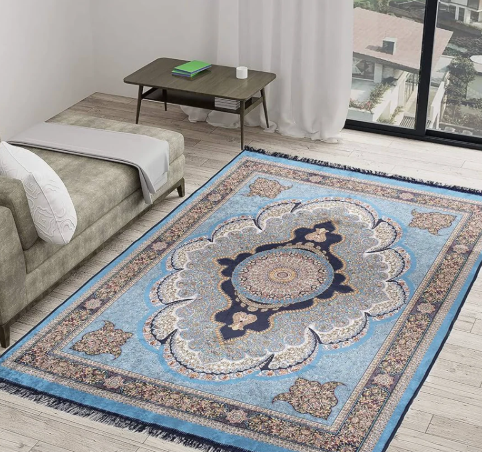
Minimal rugs help small apartments and open living spaces look larger, feel warmer, and stay visually clean. They define zones, coordinate easily with existing décor, and serve a real functional purpose—especially when sourced as handmade rugs in India, which combine quality craftsmanship with accessible pricing.
Small apartments and open-plan living spaces demand smart design decisions. Every piece of furniture, every color choice, every accessory either adds to the space or takes away from it. A rug that’s too bold, too busy, or too large can throw off the entire room. One that’s too small gets swallowed by the floor. But a well-chosen minimal rug? It pulls everything together.
Minimal rugs aren’t a compromise. They’re a deliberate design choice—one that gives compact spaces breathing room while still adding warmth, texture, and definition. Whether you’re furnishing a studio apartment or styling an open-plan living and dining area, a minimal rug does more work than most people expect.
This blog breaks down exactly why minimal rugs perform so well in smaller and open spaces, what to look for when you buy rugs, and how handmade rugs in India—like those from The Ambiente—offer something mass-produced options simply can’t match.
Why Do Minimal Rugs Work So Well in Small Living Spaces?
Small floor areas need design elements that multitask. A rug can define a seating zone, add acoustic comfort, protect flooring, and introduce warmth—all without adding visual clutter. Minimal rugs do all of this without demanding attention.
A busy, patterned rug in a compact room pulls the eye in multiple directions. That creates visual tension, which makes the space feel smaller and noisier. A minimal rug—think solid tones, subtle texture, or a quiet geometric pattern—does the opposite. It grounds the room without fragmenting it.
In open living spaces, this matters even more. Open-plan layouts rely on implied zones rather than walls to create structure. A minimal rug under the sofa signals “this is the living area” without placing a hard border around it. The result is a space that feels both cohesive and functional.
What Are the Key Benefits of Choosing Minimal Rugs?
Do minimal rugs make small rooms look bigger?
Yes—and the reason is straightforward. Light colors reflect more light, which makes a room feel more open. A minimal rug in a soft neutral tone (ivory, warm gray, sand, or pale taupe) maintains the airiness of a room rather than absorbing it. Combine that with a simple or solid design, and you eliminate the visual noise that makes compact spaces feel cramped.
How do minimal rugs reduce visual clutter in open floor plans?
Open-plan spaces already contain a lot of visual information—different furniture pieces, varying heights, multiple functional zones. A busy rug adds to that complexity. A minimal rug provides a calm visual anchor, letting the furniture and architecture speak for themselves.
Are minimal rugs easier to coordinate with existing furniture?
Significantly. A neutral, minimal rug works with virtually any furniture style or color palette. Swap out your sofa cushions, repaint a wall, or update your coffee table—your rug still fits. This makes minimal rugs a long-term investment rather than a trend-specific purchase.
How to Choose the Right Minimal Rug for Your Space
What colors work best for minimal rugs in small apartments?
Stick to tones that are already in your space. Look at your walls, your largest furniture pieces, and your flooring. Choose a rug that connects those elements rather than contrasting sharply with them. Warm neutrals work well in spaces with wooden flooring or warm-toned furniture. Cool grays and off-whites suit spaces with white walls or metal accents.
Should you choose a solid or a patterned minimal rug?
Both work, with some conditions. Solid-colored rugs offer maximum flexibility and the most visual calm. If you prefer some pattern, go subtle—a tone-on-tone texture, a fine stripe, or a low-contrast geometric. The rule is simple: the smaller the space, the quieter the pattern should be.
How do you size a rug correctly for a small living area?
Sizing is where many people go wrong. A rug that’s too small floats awkwardly in the middle of the room and makes the space feel disconnected. A rug that’s too large leaves no breathing room around the edges.
For a small living area, aim to have the front legs of your sofa and chairs resting on the rug. This anchors the seating area without the rug taking over the entire floor. In a dining area, the rug should extend at least 60cm beyond the edges of the table on all sides—enough for chairs to sit fully on the rug even when pulled out.
What materials should you consider when you buy rugs for high-traffic areas?
For areas that see daily foot traffic—entryways, living rooms, kitchen-adjacent zones—durability matters. Wool rugs handle wear well and maintain their appearance over time. Cotton rugs are lighter and easier to clean. Silk rugs add a refined finish but work better in lower-traffic areas.
When you buy rugs for practical everyday use, look for tight weaves and quality fibers. This is where handmade rugs in India have a clear advantage: the construction methods used by skilled artisans produce rugs that hold their shape and texture far longer than machine-made alternatives.
Why Handmade Rugs in India Add Value to Minimal Spaces
What makes handmade rugs from India different from mass-produced options?
The difference is in the construction and intention. Handmade rugs in India—particularly those from the Bhadohi region of Uttar Pradesh, which is South Asia’s largest hub of hand-knotted carpet weaving—are built using techniques passed down across generations. Each rug takes time, skill, and care to produce.
The result is a rug with natural variation in texture and tone. In a minimal space, that variation adds quiet character without visual excess. The rug doesn’t shout for attention, but it rewards a closer look.
How do handmade rugs age in everyday living spaces?
Quality handmade rugs improve with use. Wool fibers soften over time. Well-constructed pile holds its shape even in high-traffic areas. The dyes used in artisan production tend to be more stable, meaning colors remain consistent rather than fading unevenly.
For a small apartment or open living space where the rug is always visible, this longevity makes a real difference.
Where to Buy Quality Minimal Rugs in India
The Ambiente is a rug atelier based in Bhadohi, India, with a flagship store in New Delhi. Founded by Avani Khandelwal—an MBA graduate with a background in marketing and consumer behavior—the brand was built to make handcrafted rugs accessible to a broader audience.
Backed by 30+ years of manufacturing expertise through its parent company, Bhadohi Carpets, The Ambiente has served over 5,000 clients across India and internationally. The brand works with more than 4,000 women weavers, supporting sustainable livelihoods while maintaining high production standards.
What sets The Ambiente apart is its approach to design. The team works directly with artisans to develop collections that are rooted in traditional craft but shaped by contemporary sensibilities. For anyone looking to buy rugs that suit a minimal, modern interior without sacrificing quality or authenticity, The Ambiente offers a strong starting point.
Minimal Rugs Are a Smart, Long-Term Investment
A well-chosen minimal rug does more than fill floor space. It defines zones, adds warmth, reduces visual clutter, and ties a room together—without asking anything of the eye. For small apartments and open living spaces, that kind of quiet functionality is exactly what’s needed.
When you buy rugs that are handmade in India, you also gain durability and craftsmanship that mass-produced alternatives can’t match. The Ambiente brings both of those qualities together in a collection designed specifically for modern Indian homes and open contemporary interiors.
Start with the rug. Everything else follows.
Frequently Asked Questions
What size minimal rug works best for a small apartment living room?
For most small living rooms, a rug between 5×8 feet and 6×9 feet works well. The front legs of the sofa and chairs should rest on the rug. Avoid going smaller—a rug that floats in the center of the room without touching the furniture makes the space feel disconnected.
What is the best color for a minimal rug in a small space?
Neutral tones—ivory, warm gray, sand, and soft beige—work best. These shades reflect light rather than absorb it, making the room feel more open. Choose a shade that connects your wall color to your largest piece of furniture.
Are handmade rugs in India more expensive than machine-made options?
Not necessarily. Brands like The Ambiente were specifically built to make handmade rugs accessible at different price points. While some artisan rugs carry a premium, many handmade options are comparably priced to mid-range machine-made rugs—and significantly more durable.
Can minimal rugs work in open-plan spaces with multiple zones?
Yes. Minimal rugs are particularly effective in open-plan layouts because they define zones without visually fragmenting the space. Use one rug under the living area seating and a separate rug under the dining table to create clear zones while keeping the overall look cohesive.
What material should I choose when I buy rugs for everyday use?
Wool is the most practical choice for high-traffic areas. It handles wear well, resists staining, and maintains its appearance over years of use. Cotton works for lighter-traffic spaces and is easier to clean. For a decorative touch in a low-traffic zone, silk adds a refined finish.
Where can I buy quality minimal rugs online in India?
The Ambiente offers a range of handmade rugs in India through its online store, with options spanning different styles, sizes, and price points. The brand ships across India and internationally, with both ready-to-ship and bespoke options available.