

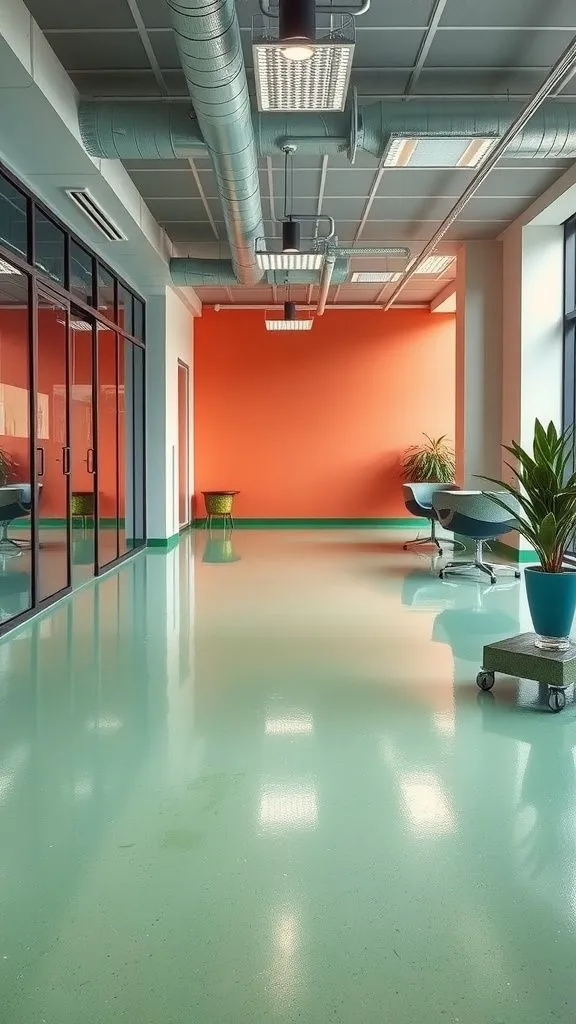
Moving into a new office is an opportunity to create a workspace that reflects how a business operates. However, flooring changes can become complicated when the property is leased rather than owned. Landlord approval, building rules, installation schedules, and future lease obligations all deserve attention. Companies exploring epoxy flooring office solutions should begin by reviewing the existing concrete and understanding what modifications are permitted. A successful renovation requires coordination between tenants, property managers, and contractors so that the finished surface remains practical without creating unexpected costs or disagreements.
Review the Lease Before Selecting Materials
Commercial leases may contain specific requirements concerning permanent improvements, approved contractors, and the condition in which premises must be returned. Some agreements require written approval before flooring can be removed or replaced.
Business owners should examine these provisions before committing to a design. Clarifying responsibilities early can prevent disputes about installation costs, maintenance obligations, and whether the flooring must be restored when the tenancy ends.
Inspect What the Previous Tenant Left
An office may contain carpet tiles, vinyl, old coatings, or concrete concealed beneath several layers of material. These surfaces can hide adhesive residue, previous repairs, and uneven sections.
An inspection helps determine what preparation is necessary before applying a new finish. Persistent moisture, deteriorating joints, and cracks should also be assessed. Removing the previous flooring without examining the underlying slab can introduce unexpected delays.
Coordinate Decisions With Property Management
Floor renovation may affect adjoining tenants through noise, dust, odors, or temporary restrictions on shared entrances. Building managers may therefore establish requirements for working hours and access.
Discuss contractor insurance, waste disposal, ventilation, and any approval procedures before scheduling the project. Written confirmation of agreed arrangements helps everyone understand responsibilities and reduces disruption during installation.
Match Flooring to Office Activities
Reception areas, hallways, meeting rooms, and staff kitchens experience different conditions. A busy entrance may encounter moisture and grit, while meeting rooms often prioritize appearance and furniture movement.
An experienced concrete coating company can evaluate these requirements and explain suitable resin systems. Epoxy and polyaspartic products have different characteristics, including curing behavior and ultraviolet resistance. The selected system should reflect actual use rather than decorative preferences alone.
Consider the Cost of Preparation
Commercial flooring quotations should identify more than the final coating material. Removing adhesives, mechanically grinding concrete, repairing cracks, and correcting local surface defects can influence project costs.
Ask the contractor to explain which preparation stages are included. Unforeseen damage may require additional approval from the landlord or property manager. Allowing for these possibilities can help businesses maintain realistic renovation budgets.
Plan Around Employees and Visitors
Floor installation can temporarily limit access to offices, corridors, and reception areas. Businesses should determine whether employees can work remotely or whether particular departments need alternative access.
Curing requirements depend on the selected materials and environmental conditions. A surface that feels dry may not yet be ready for desks, filing cabinets, or regular foot traffic. Contractors should provide clear reopening instructions.
Keep Maintenance Responsibilities Clear
Leased offices often use external cleaning contractors, making consistent care instructions important. A finish that tolerates ordinary damp cleaning may still be damaged by inappropriate solvents or abrasive equipment.
Provide maintenance teams with product-specific guidance. Routine inspections can identify scratches, local coating damage, or recurring moisture concerns before they become more difficult to resolve. Documentation is especially useful when multiple parties share responsibility for upkeep.
Think About Future Office Changes
Businesses may expand, reduce desk numbers, or rearrange workspaces during a lease. A flooring finish should accommodate foreseeable changes in furniture placement and daily movement.
Consider whether partitions, storage units, and heavy equipment might be relocated. Protective furniture pads and suitable equipment wheels can help reduce surface damage. Keeping material specifications available also makes future repairs easier to coordinate.
Conclusion
Renovating flooring in a leased office requires careful attention to property agreements, existing concrete, installation schedules, and maintenance responsibilities. A suitable coating can support a professional environment, but successful results depend on coordination between tenants, building managers, and contractors. Businesses should clarify approvals and assess the substrate before choosing decorative finishes. For companies exploring office flooring improvements around Chicago and its surrounding suburbs, evolveconcretecoating.com provides information about commercial epoxy and concrete coating services. Thoughtful planning can help create a functional workplace while reducing avoidable complications throughout the tenancy.