

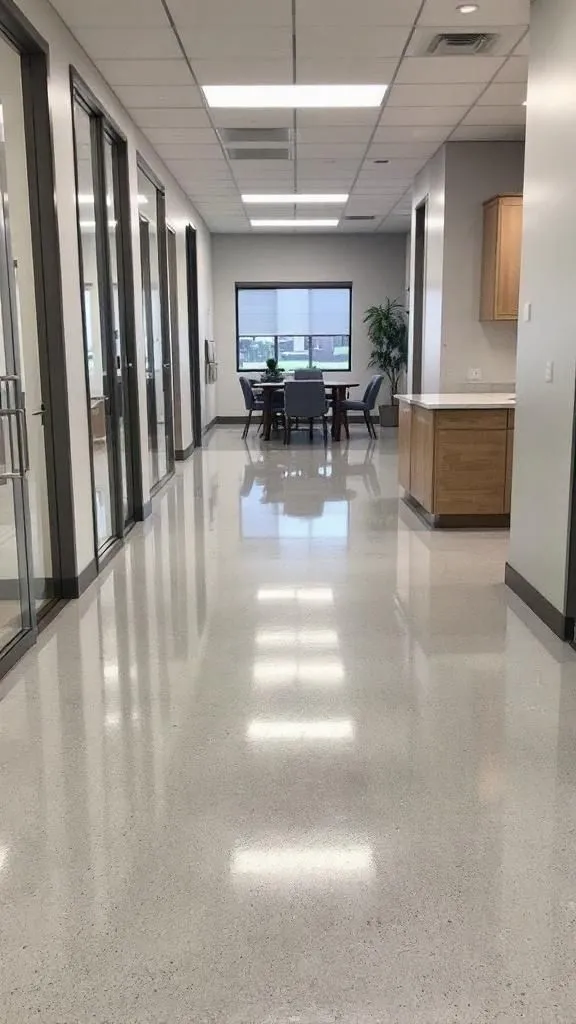
An office renovation often begins with new furniture, improved lighting, and a fresh color scheme. Yet the floor connects every part of the workplace and influences how visitors experience the building. Worn carpet, stained tiles, and damaged surfaces can undermine an otherwise professional interior. Choosing suitable epoxy flooring office solutions can help property managers create attractive spaces that also withstand daily activity. Understanding the practical needs of different office areas is essential before selecting a decorative finish or planning installation.
The Reception Area Makes the First Impression
Visitors often form opinions about a workplace before reaching the reception desk. The entrance, lighting, and flooring work together to establish its atmosphere. A consistent floor finish can connect reception areas with nearby hallways, making the interior appear coordinated. Decorative coatings also provide opportunities to incorporate colors that complement company branding.
However, entrances frequently collect moisture and grit from outdoor footwear. Surface traction and cleaning requirements should therefore influence the design. An attractive entrance must remain practical during busy periods and changing weather conditions.
Different Rooms Need Different Priorities
Office buildings contain spaces with very different demands. Conference rooms generally experience occasional concentrated activity, while hallways accommodate constant movement. Break rooms may be exposed to spilled drinks and food, whereas copy rooms must accommodate equipment and regularly moving chairs.
Restrooms present additional moisture concerns that require appropriate surface specifications. These differences mean a single decorative appearance does not necessarily require an identical coating system throughout the building. Evaluating each area separately helps identify where durability, traction, appearance, or maintenance should take priority.
Design Choices That Support Everyday Work
Flooring should complement the interior without distracting from the activities taking place inside it. Neutral tones can provide a calm background for furniture and wall graphics. Decorative finishes may work well in reception areas where visual impact matters.
Before choosing a design, consider:
-
Foot traffic: Identify frequently used corridors and shared spaces.
-
Lighting: Check how reflective finishes appear beneath overhead fixtures.
-
Furniture: Consider chair movement and concentrated equipment loads.
-
Cleaning: Select surfaces compatible with routine maintenance procedures.
-
Accessibility: Confirm suitable traction and transitions between floor areas.
Addressing these details early helps avoid unnecessary changes after installation.
Selecting Professionals Who Understand Commercial Buildings
An experienced concrete coating company should assess the existing surface and the building’s operational requirements before recommending materials. Concrete may contain cracks, previous adhesives, sealers, or moisture-related problems. These conditions can affect how well a new finish bonds. Mechanical preparation removes unsuitable surface materials and creates the texture required for the selected coating system.
Contractors should also explain which epoxy or polyaspartic products are appropriate for different areas. A detailed proposal makes it easier to compare installation methods, timelines, and maintenance expectations rather than focusing exclusively on price.
Planning Around Employees and Visitors
An occupied office creates scheduling challenges that are different from those in an empty building. Employees may need temporary access routes while contractors prepare and finish individual sections. Meeting rooms, shared entrances, and reception desks require particular attention. Some work can be scheduled during quieter periods, although the feasibility depends on ventilation, preparation requirements, and product curing times.
Managers should communicate changes before the project begins and prevent access to restricted areas. A carefully organized schedule protects normal business activities without rushing essential installation stages.
Considering Long-Term Maintenance Costs
Initial installation cost is only one part of a flooring decision. Cleaning labor, repairs, and potential replacement also influence the long-term budget. Seamless coatings can simplify the removal of everyday dirt because they eliminate many joints found in conventional tile installations.
However, no finish is completely resistant to scratches or damage. Furniture movement, abrasive grit, and unsuitable cleaning products can affect its appearance. Facility teams should receive clear guidance about appropriate cleaners and inspection routines. Consistent maintenance often provides better value than waiting until visible deterioration requires extensive attention.
Conclusion
Office flooring contributes to visitor impressions, employee convenience, and the overall condition of a commercial property. Successful renovations consider how each room functions, how finishes complement the interior, and how installation can be managed around daily operations. Choosing appropriate materials and maintaining them correctly supports a professional environment over time. Chicago-area property owners can explore office flooring options and concrete finishing services through evolveconcretecoating.com when evaluating improvements for their workplaces.