

A building’s roof is its most vital protective barrier, shielding structural framing, interior assets, and occupants from severe weather and environmental exposure. When faced with roof repairs, storm damage restoration, or complete system replacements, property owners must navigate a crowded contractor marketplace. Choosing between nationwide restoration conglomerates and established local specialists significantly impacts project timelines, workmanship quality, material warranties, and long-term customer support. Local roofing experts bring deep regional knowledge, familiarity with area building codes, and direct accountability to every job site. Understanding how to evaluate local contractors, recognize quality workmanship standards, and verify regional expertise ensures that your property receives reliable, durable protection designed specifically for your local climate.
The Strategic Advantages of Hiring Local Roofing Specialists
Selecting a local contractor for residential or commercial roofing projects offers distinct operational and financial benefits compared to working with out-of-town companies or transient storm-chasing crews.
Regional Environmental Expertise
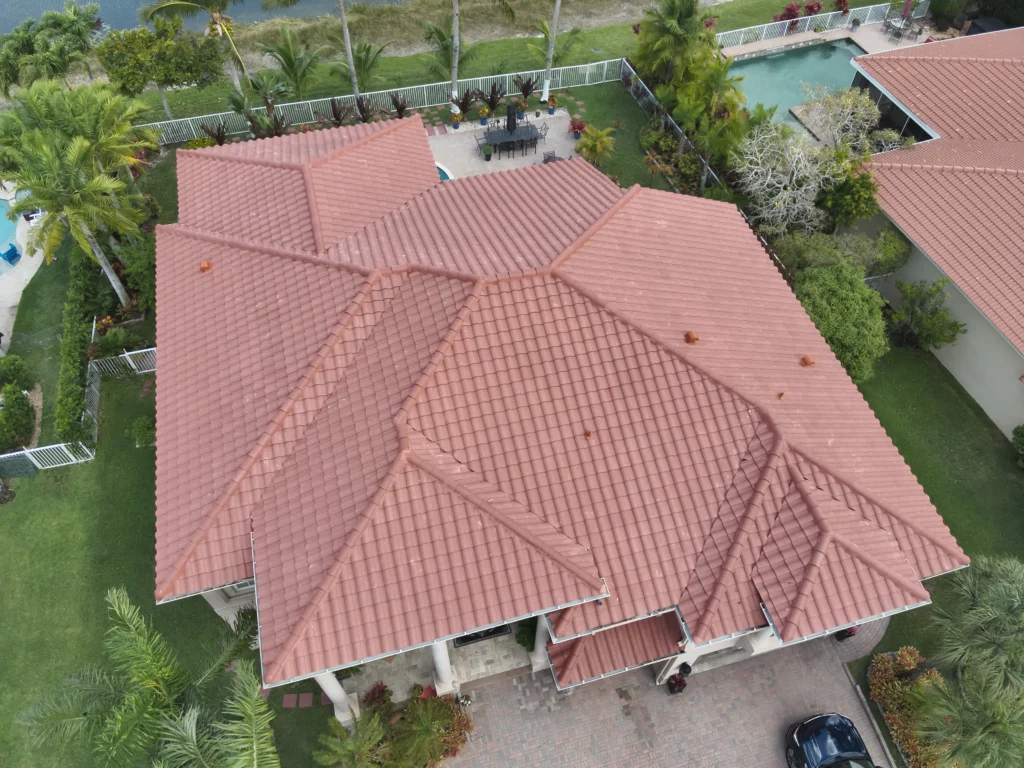
Every geographic region presents unique environmental challenges to roofing materials. Coastal and southern climates contend with intense solar radiation, high humidity, salt spray, and severe wind uplift from tropical storms. Mid-Atlantic and northern regions face extreme freeze-thaw cycles, heavy snow accumulation, and destructive ice dams. Local roofing professionals possess firsthand experience with how regional weather patterns affect specific materials over time, allowing them to recommend tailored underlayment barriers, ventilation designs, and fastening specifications engineered for local climate extremes.
Rapid Emergency Response and Proximity
When severe weather strikes, rapid intervention is essential to prevent intrusive rainwater from causing widespread interior damage. Local contractors maintain physical offices, material staging yards, and dedicated service crews within the community. This proximity enables prompt emergency tarping, temporary leak containment, and rapid site evaluations following high-wind or hail events, whereas non-local entities may take days or weeks to mobilize resources.
Deep Knowledge of Municipal Codes and Permitting
Building codes, structural wind-load requirements, and permit application procedures vary significantly across municipalities and county jurisdictions. Established local specialists maintain routine working relationships with local building departments and municipal inspectors. They ensure all structural deck inspections, flashing integrations, and ventilation installations fully comply with local building codes, preventing costly project delays, failed inspections, or permit violations during property resales.
Essential Criteria for Evaluating Local Roofing Contractors
Not all local contractors deliver the same level of service and technical expertise. Conducting thorough due diligence protects property owners against substandard workmanship, unfulfilled warranties, and legal liabilities.
Licensing, Registration, and Comprehensive Insurance
A reputable contractor must hold valid state licenses and local business registrations required for specialty roofing construction. Furthermore, property owners should verify two critical insurance policies before work begins:
-
General Liability Insurance: Protects your home, landscaping, and adjacent property against accidental damage during construction.
-
Workers’ Compensation Insurance: Covers medical expenses and lost wages if a roofing technician is injured on your property, shielding the homeowner from personal injury liability.
Manufacturer Certifications and Warranties
Top-tier roofing contractors earn specialized certifications from major material manufacturers. Earning certified contractor status requires meeting strict standards for financial stability, ongoing technical training, and proven installation quality. Certified contractors can offer extended manufacturer warranties that cover both material defects and contractor installation workmanship for up to fifty years, providing long-term peace of mind that uncertified installers cannot match.
Verified Local Track Record and Community Reputation
An established business history within a community speaks volumes about a contractor’s reliability. Reviewing verifiable customer ratings, inspecting completed local projects, and checking standing with consumer protection agencies confirm that the contractor maintains high ethical and technical standards over time.
|
Evaluation Metric |
Verified Local Contractor |
Non-Local / Transient Crew |
|
Physical Location |
Established local office and material staging yards |
Temporary setup or out-of-state mobile operation |
|
Climate Expertise |
Tailored material selection for regional weather |
Generic material recommendations across regions |
|
Emergency Response |
Rapid local dispatch for containment and tarping |
Delayed response times during area-wide storms |
|
Permit & Code Compliance |
Deep familiarity with municipal building inspectors |
Potential oversights regarding local codes |
|
Warranty Support |
Long-term local presence for post-installation care |
Difficult to contact once mobile operations move |
|
Insurance Coverage |
Full general liability and active workers’ compensation |
Incomplete policies or unverified coverage details |
Navigating Roofing Projects from Inspection to Completion
Understanding the standard workflow of a professional roofing project helps property owners manage expectations, verify quality milestones, and ensure smooth execution from initial consultation through final clean-up.
Comprehensive Diagnostic Inspection
A professional project begins with a detailed physical inspection of the roofing system. Technicians examine the condition of surface materials, inspect flashing around chimneys and vent pipes, evaluate gutter alignment, and assess attic space ventilation and structural sheathing. High-resolution photos and thermal moisture scans often accompany the diagnostic evaluation to pinpoint hidden structural leaks.
Detailed Scope of Work and Transparent Estimates
A professional proposal outlines the full scope of work, specifying exact material brands, underlayment types, drip edge metal specs, ventilation hardware, and labor terms. It clearly details tear-off expectations, structural deck replacement costs per sheet if rot is discovered, and timeline commitments.
Professional Site Management and Quality Workmanship
During installation, experienced crews protect surrounding property using tarps and plywood shields over windows, landscaping, and outdoor HVAC units. Old roofing materials are torn off down to the bare wooden decking to inspect for hidden rot or structural weakness. New underlayment, self-adhered ice and water shields along eaves and valleys, drip edge metal, and specified roofing courses are installed according to manufacturer installation guidelines.
When coordinating a residential replacement, addressing storm damage, or scheduling a commercial roof evaluation, partnering with a trusted local roofing company ensures transparent communication, adherence to regional building codes, and reliable post-installation warranty support from contractors rooted in your community.
Final Inspection and Site Clean-Up
Upon completing the installation, supervisors conduct a comprehensive quality walk-through to verify proper ridge vent installation, flashing integration, and shingle alignment. The crew cleans the site thoroughly, utilizing heavy-duty magnetic sweepers across lawn areas and driveways to collect stray nails and metallic debris.
Maintaining Your Roof for Long-Term Performance
Partnering with local experts extends beyond initial installation. Establishing a bi-annual maintenance routine keeps your roofing system performing at peak efficiency throughout its operational lifespan.
-
Schedule Spring and Autumn Inspections: Regular checks catch loose sealant around vent boots, minor flashing gaps, or displaced shingles before they develop into active interior leaks.
-
Clear Drainage Pathways Promptly: Keep gutters, downspouts, and low-slope drains clear of leaves, twigs, and organic debris to prevent water pooling and ice dam creation.
-
Trim Overhanging Tree Branches: Maintain a clear envelope above your roof plane to prevent branches from scraping protective granules off shingles or dropping excessive organic debris.
Securing Lasting Value with Local Expertise
Investing in a roof repair or replacement is a major capital decision that impacts your property’s safety, energy efficiency, and overall resale equity. By partnering with verified local experts who understand regional weather patterns, maintain proper licensing and insurance, and deliver certified installation practices, property owners ensure their building envelope remains secure. A well-constructed, expertly installed roof provides reliable weather protection, lower maintenance costs, and lasting peace of mind for decades to come.