

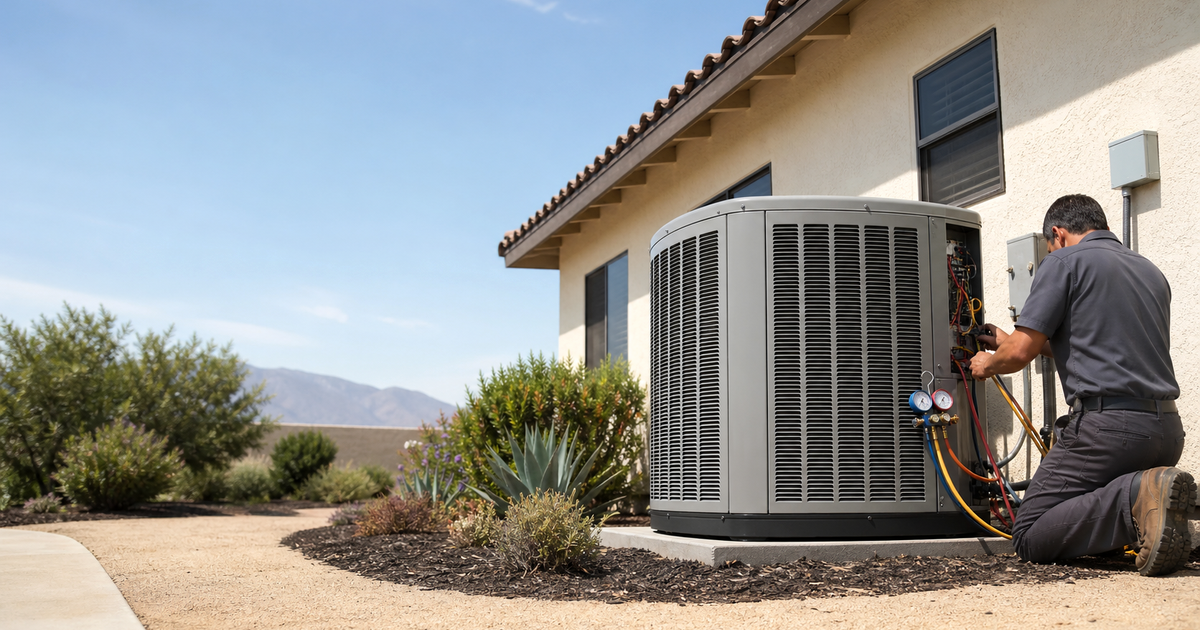
Your air conditioner is designed to cool your home through consistent, balanced cooling cycles. When it starts turning on and off every few minutes instead of completing a full cycle, it’s experiencing what’s known as short cycling. While this may seem like a minor inconvenience at first, it can gradually cause serious damage to your cooling system and lead to expensive repairs.
Many homeowners mistake short cycling for normal operation, especially during mild weather. However, frequent starts and stops place unnecessary stress on your air conditioner, reduce energy efficiency, and make it harder to maintain a comfortable indoor temperature. Recognizing the warning signs early can help prevent long-term damage and extend the life of your HVAC system. If you notice these symptoms, seeking professional air conditioning repair for homes can help identify and resolve the underlying issue before it worsens.
What Is Short Cycling?
A properly functioning air conditioner runs long enough to reach the desired indoor temperature before shutting off. Depending on outdoor conditions and your home’s insulation, a normal cooling cycle often lasts between 10 and 20 minutes.
Short cycling occurs when the system shuts off after only a few minutes and then starts up again shortly afterward. This repeated pattern prevents the air conditioner from completing its cooling cycle efficiently.
Although your home may eventually cool down, the system works much harder than necessary to achieve the same result.
Why Short Cycling Happens
Several issues can cause an air conditioner to short cycle. Some are relatively simple, while others require professional diagnosis.
Dirty Air Filters
A clogged air filter restricts airflow, making it difficult for the system to circulate cool air. Reduced airflow can cause components to overheat, triggering safety mechanisms that shut the unit down prematurely.
Replacing air filters regularly is one of the easiest ways to prevent unnecessary strain on your HVAC system.
Incorrect Thermostat Placement
If the thermostat is installed near a window, supply vent, or another heat source, it may receive inaccurate temperature readings. As a result, the air conditioner may switch on and off more frequently than needed.
Proper thermostat placement helps ensure the system responds to the actual temperature throughout the home.
Refrigerant Problems
Low refrigerant levels or refrigerant leaks reduce your system’s ability to absorb heat effectively. This can cause pressure imbalances that trigger safety shutoffs, leading to repeated short cycling.
Refrigerant issues should always be handled by licensed HVAC professionals.
Oversized Air Conditioning System
Bigger isn’t always better. An oversized air conditioner cools the home too quickly, causing the thermostat to reach the target temperature before the system has completed an efficient cooling cycle.
Although the room may feel cool, the air conditioner starts again shortly afterward, creating an endless cycle of unnecessary operation.
Electrical or Mechanical Failures
Faulty capacitors, worn relays, damaged control boards, or failing compressors can also interrupt normal operation. Since these components work together to manage startup and shutdown, even a minor electrical issue can lead to frequent cycling.
How Short Cycling Damages Your Air Conditioner
Short cycling doesn’t simply waste energy—it accelerates wear throughout the entire system.
Increased Wear on the Compressor
The compressor experiences the greatest stress during startup. Every time the air conditioner turns on, the compressor requires a surge of electricity to begin operating.
When this happens repeatedly throughout the day, the compressor wears out much faster than it normally would. Because the compressor is one of the most expensive components to replace, preventing excessive cycling can save significant repair costs.
Higher Energy Bills
Starting an air conditioner requires more electricity than keeping it running during a normal cooling cycle.
When the system constantly restarts, it consumes more energy without providing additional cooling. Over time, homeowners often notice steadily increasing utility bills even though indoor comfort hasn’t improved.
Reduced Cooling Performance
An air conditioner removes both heat and humidity during its cooling cycle. When cycles are cut short, the system doesn’t operate long enough to remove adequate moisture from the air.
This can leave your home feeling damp, sticky, and less comfortable, even if the thermostat indicates the desired temperature has been reached.
Shortened Equipment Lifespan
Every heating and cooling system has a limited number of operating cycles over its lifetime. Excessive cycling increases wear on motors, fans, electrical components, and moving parts.
The more frequently the unit starts and stops, the sooner those components are likely to fail.
Warning Signs You Shouldn’t Ignore
Many homeowners don’t realize their air conditioner is short cycling until the problem becomes severe. Watch for these common signs:
-
The system turns on and off every few minutes.
-
Rooms never seem consistently comfortable.
-
Indoor humidity remains unusually high.
-
Utility bills increase without obvious explanation.
-
The outdoor unit makes repeated startup noises throughout the day.
-
The thermostat reaches the target temperature unusually quickly before the system restarts.
If you notice several of these symptoms together, it’s a good idea to have the system inspected before further damage occurs.
Can You Prevent Short Cycling?
Many causes of short cycling can be avoided through regular maintenance and timely repairs.
Changing air filters on schedule improves airflow and reduces strain on the system. Keeping outdoor condenser units free of leaves, dirt, and debris also helps maintain efficient operation.
Scheduling annual HVAC inspections allows technicians to identify refrigerant leaks, worn electrical components, thermostat problems, and airflow issues before they develop into larger repairs.
Homeowners replacing an aging air conditioner should also work with qualified professionals to ensure the replacement system is properly sized for the home’s square footage, insulation, and cooling needs.
When to Call a Professional
Some maintenance tasks, such as replacing filters or checking thermostat settings, are safe for homeowners. However, problems involving refrigerant, electrical systems, compressors, or internal components require professional service.
Ignoring short cycling often allows small issues to develop into much more expensive repairs. A technician can accurately diagnose the cause, restore proper operation, and help prevent unnecessary damage to your HVAC system.
Final Thoughts
Short cycling is one of the most damaging problems a home air conditioning system can experience because it forces the unit to work harder while delivering less effective cooling. Frequent starts and stops increase wear on the compressor, drive up energy bills, reduce indoor comfort, and can lead to premature HVAC failure if left unresolved. Fortunately, many of the underlying causes—from clogged air filters to thermostat issues and refrigerant problems—can be identified and corrected before they become major repairs.
Regular HVAC maintenance, prompt inspections, and timely repairs are the best ways to prevent short cycling and extend the life of your air conditioner. By addressing problems early and keeping your cooling system in peak condition, homeowners can enjoy greater energy efficiency, lower operating costs, and reliable indoor comfort throughout every cooling season.