

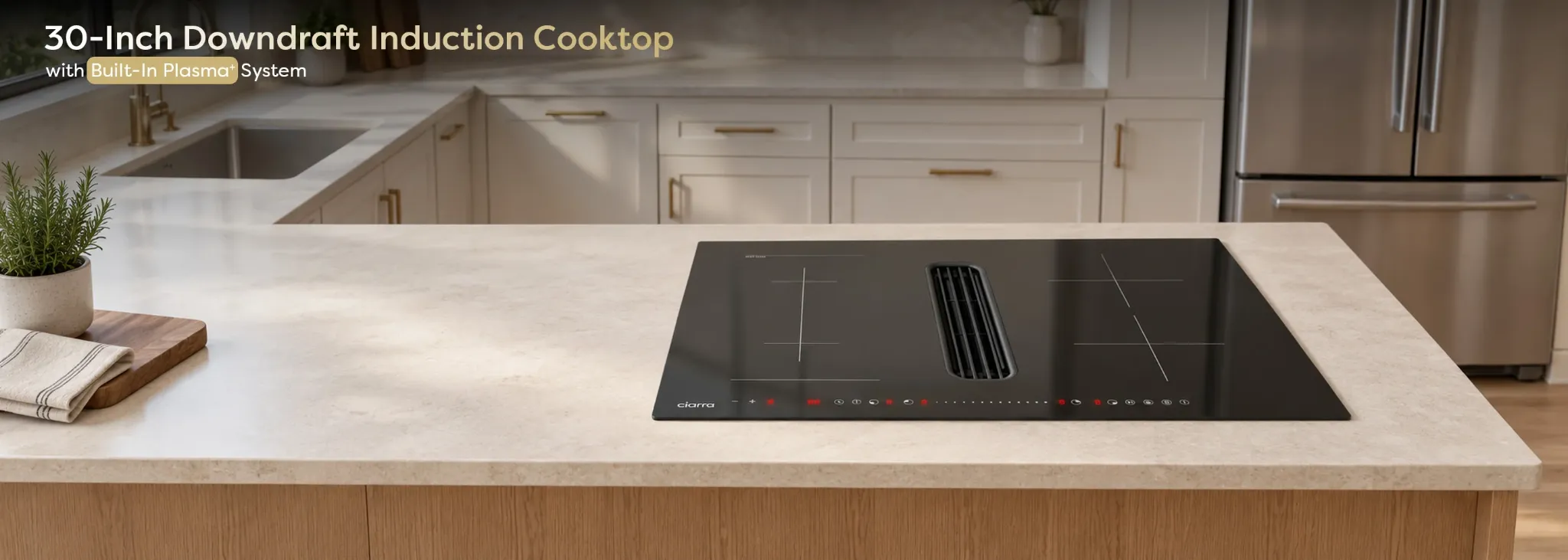
Modern kitchens are changing, and homeowners are looking for appliances that offer more than just basic functionality. A clean, stylish kitchen is no longer simply about attractive cabinets and expensive worktops. It is also about choosing smart appliances that make everyday cooking easier, more comfortable, and more enjoyable. One innovation attracting attention in contemporary kitchen design is the extractor hob.
Combining an induction cooking surface with an integrated extraction system, this appliance offers a fresh approach to managing cooking fumes, steam, and unwanted odours. Instead of relying on a traditional cooker hood positioned above the hob, an extractor hob draws airborne particles directly from the cooking area. The result is a streamlined kitchen that looks elegant while providing practical ventilation.
What Is an Extractor Hob?
An extractor hob is a modern cooking appliance that brings two essential kitchen functions together. It features a built-in cooking surface, usually powered by induction technology, alongside a ventilation system designed to capture cooking vapours.
Traditional kitchens typically have a separate hob and cooker hood. Although this arrangement works well, it can sometimes limit design choices, particularly in kitchens with low ceilings, open-plan layouts, or large windows. An integrated extractor removes the need for a conventional overhead hood.
The extraction unit is generally positioned in the centre or towards the rear of the cooking surface. As food cooks, steam, grease particles, and strong smells are pulled downwards into the ventilation system. Depending on the model, the air can be filtered and returned to the room or directed outside through ducting.
This combination makes the appliance especially appealing to people who appreciate a minimalist kitchen without sacrificing everyday practicality.
Why Are Extractor Hobs Becoming So Popular?
Kitchen design increasingly focuses on open spaces, natural light, and uninterrupted sightlines. Large kitchen islands have become particularly popular because they provide additional preparation space while creating a natural gathering point for family and guests.
However, installing a traditional cooker hood above an island can interrupt the overall appearance. A suspended extraction unit may also obstruct views across the room.
An extractor hob provides another option. Since the ventilation equipment is integrated into the cooking surface, there is no need for a large overhead structure. This allows homeowners to maintain an open, uncluttered appearance.
Another reason for their popularity is convenience. Cooking and ventilation operate together in one appliance, reducing the number of separate products that need to be selected, installed, and maintained.
For people planning a kitchen renovation, this combination of attractive design and practical performance can make a noticeable difference.
The Benefits of Integrated Extraction
One of the biggest advantages of an extractor hob is its ability to remove cooking vapours close to their source. Steam and airborne grease are captured around the cooking surface rather than travelling upwards towards a ceiling-mounted hood.
Here are some of the benefits worth considering.
1. A Cleaner, More Open Kitchen
Without an overhead cooker hood, the kitchen feels less crowded. This is particularly useful in smaller homes where every design decision affects the sense of space.
It also makes kitchen islands more versatile. They can become attractive cooking and socialising areas without requiring a large extraction structure above them.
2. Effective Odour Management
Cooking certain ingredients can leave lingering smells throughout the home. Fried foods, spices, fish, and grilled dishes can release strong aromas that are not always welcome in an open-plan living area.
An integrated extraction system helps capture these airborne particles during cooking, reducing the spread of unwanted smells.
3. Greater Design Flexibility
A conventional cooker hood can influence where cabinets, lighting, and kitchen islands are positioned. An extractor hob offers additional freedom because the ventilation system is built into the appliance.
This makes it easier to create contemporary kitchen designs with clean lines and fewer visible appliances.
4. Convenient Everyday Operation
Many models include touch controls and adjustable extraction settings. Some appliances also offer automatic ventilation features that respond to cooking activity.
These features can make everyday cooking simpler, especially for people who regularly prepare several dishes at once.
Understanding Induction Cooking Technology
Most extractor hobs use induction technology, which heats compatible cookware through electromagnetic energy.
Unlike traditional electric cooking surfaces, induction does not rely on heating an element beneath the glass. Instead, it transfers energy directly to the cookware, allowing the pan to heat quickly while the surrounding surface remains comparatively cooler.
This offers several advantages.
First, temperature adjustments are generally quick and responsive. If a sauce begins boiling too vigorously, reducing the heat can help prevent it from overflowing.
Second, induction cooking can be energy-efficient because heat is generated directly in the pan rather than being transferred through several layers of material.
Third, the smooth glass surface is relatively easy to clean. Once the appliance has cooled, everyday spills can usually be removed with a suitable hob cleaner and soft cloth.
However, induction cooking requires compatible magnetic cookware. Before purchasing an extractor hob, it is worth checking whether existing pots and pans will work with the appliance.
Choosing the Right Extractor Hob for Your Kitchen
Not every kitchen has the same requirements. The ideal appliance depends on available space, cooking habits, installation possibilities, and personal preferences.
Before making a purchase, consider the following factors.
Cooking Zones
Think about how many pans you normally use. A household that prepares several meals simultaneously may benefit from four cooking zones or a flexible cooking area that accommodates different pan sizes.
Smaller households might find a more compact arrangement perfectly suitable.
Extraction Performance
Extraction capacity is an important specification. Look at the manufacturer’s airflow figures and consider how well the appliance is suited to your kitchen size and cooking habits.
Higher extraction power is not automatically the best choice in every situation. The design of the kitchen, ducting arrangement, and installation quality also influence performance.
Noise Levels
Noise can become noticeable when ventilation operates at higher settings. This is particularly important in open-plan homes, where the kitchen connects directly to the dining or living room.
Check the manufacturer’s published noise levels and compare the different operating settings before deciding.
Ducted or Recirculating Installation
Extractor hoods are available with different ventilation arrangements.
A ducted system carries extracted air outside through suitable ductwork. A recirculating system uses filters to remove grease and reduce odours before returning the filtered air to the kitchen.
The right option depends on the property’s layout and installation possibilities. Remember that recirculating systems do not remove moisture from the room, so additional ventilation may still be necessary.
Ease of Cleaning
Because the extraction opening is part of the cooking surface, cleaning and maintenance deserve attention. Look for removable grease filters, accessible collection trays, and clear manufacturer instructions.
An appliance that is easy to maintain is more likely to remain convenient over the long term.
Installation: What Should Homeowners Know?
Although an extractor hob looks straightforward from above, its installation can be more involved than fitting a conventional induction hob.
The space beneath the worktop must accommodate the extraction equipment, filters, and any required ducting. This means the kitchen cabinet may need adjustments, particularly when drawers or storage units sit directly underneath the cooking surface.
For ducted installations, the route to an external wall or suitable outlet should be planned carefully. Long or complicated duct runs can affect airflow and overall performance.
Electrical requirements are equally important. Induction appliances may require a dedicated electrical connection or specific circuit arrangements depending on their power rating.
For these reasons, professional installation is strongly recommended. Checking the manufacturer’s measurements and installation requirements before ordering can also help prevent unexpected renovation costs.
Keeping Your Extractor Hob in Excellent Condition
Regular maintenance helps protect performance and keeps the cooking surface looking attractive.
Start by wiping the glass surface after cooking once it has cooled sufficiently. Removing grease and food residue promptly makes cleaning easier and prevents stubborn marks from building up.
Grease filters should be cleaned according to the manufacturer’s recommendations. Some models feature washable filters, while others require replacement components.
If the appliance uses charcoal filters for recirculation, remember that these usually need periodic replacement. The replacement schedule depends on the filter type and how frequently the hob is used.
It is also worth checking the collection tray and extraction opening regularly. Food particles and accumulated grease can affect airflow if they are allowed to build up.
Avoid harsh cleaning chemicals, abrasive pads, and unsuitable utensils that could damage the glass surface.
Is an Extractor Hob Worth the Investment?
An extractor hob is not necessarily the right choice for every kitchen, but it can be an excellent investment for homeowners who value integrated technology and contemporary design.
It is particularly appealing for kitchen islands, open-plan homes, and renovations where installing a traditional cooker hood would interfere with the desired appearance.
However, the initial purchase price and installation costs can be higher than those of a separate hob and standard cooker hood. Replacement filters and ongoing maintenance should also be included when calculating the long-term cost.
The best approach is to compare appliances based on their actual specifications rather than choosing purely by appearance. Consider extraction performance, energy consumption, noise levels, cooking flexibility, warranty coverage, and installation requirements.
A well-chosen model should complement the kitchen while delivering reliable performance during everyday cooking.
Final Thoughts
The modern kitchen deserves appliances that make life easier without compromising on appearance. An extractor hob brings cooking and ventilation together in a clever, space-saving design, offering homeowners an alternative to traditional overhead extraction. From creating a more open kitchen island to managing cooking fumes directly at their source, it offers several advantages worth exploring. With careful attention to extraction performance, installation requirements, and maintenance, this innovative appliance can become a valuable part of a contemporary home. Brands such as Ciarra are also contributing to the evolution of modern kitchen appliances, with solutions like Ciarra One reflecting the growing interest in practical technology, thoughtful design, and a more enjoyable everyday cooking experience.