

Maintaining a secure building envelope in the New York region requires a roofing system engineered to withstand demanding weather conditions. Across five boroughs, suburban counties, and nearby commercial corridors, properties experience intense freeze-thaw cycles, high winter snow loads, summer humidity, and heavy windstorms. A compromised roof exposes structural framing, insulation, and interior finishes to moisture intrusion, causing expensive rot and mold growth.
Selecting an experienced roofing contractor is critical to ensuring long-term structural weatherization. Understanding regional climate challenges, material specifications, building code requirements, and core installation standards empowers property owners to preserve physical assets while maintaining predictable capital budgets.
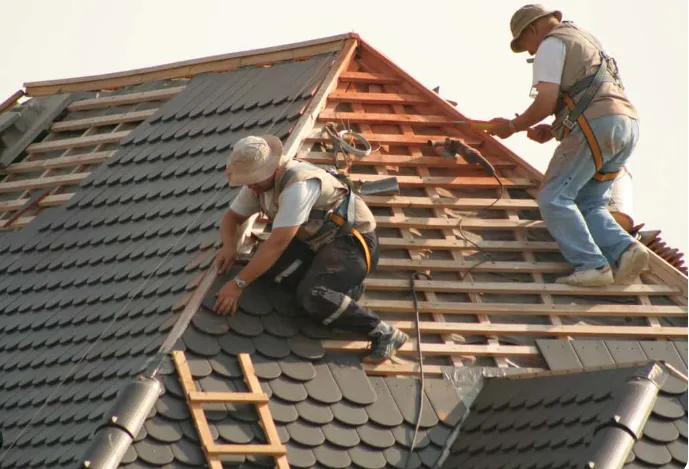
Regional Environmental Stressors on New York Building Envelopes
Roofing assemblies throughout New York face environmental factors that accelerate material fatigue. Regional temperature swings force roofing components to expand and contract repeatedly, placing persistent stress on field seams, flashings, and fasteners.
-
Freeze-Thaw Cycling: Moisture that penetrates micro-cracks in shingles or masonry flashings expands when temperatures drop below freezing. This hydraulic force splits mortar joints, lifts shingle edges, and degrades membrane seals.
-
Urban Heat Island Effects: Sunlight absorbing into dark, non-reflective roof surfaces elevates temperatures well above ambient levels, accelerating ultraviolet breakdown of organic asphalt components.
-
Wind Uplift and Coastal Storms: Severe weather events produce high wind uplift along roof perimeters and eaves, threatening to peel single-ply membranes or tear off unanchored asphalt shingles.
-
Ponding Water on Low-Slope Roofs: Urban architectures frequently utilize flat or low-slope roof designs. Poor gravity drainage leads to standing water, which increases static weight loads and degrades membrane adhesives over time.
Comparing Primary Roofing Material Assemblies
Selecting appropriate roofing materials requires balancing initial outlays against physical durability, energy efficiency, and structural load capacities.
|
Roofing Material System |
Core Composition |
Service Life Expectancy |
Primary Application Profile |
|
Architectural Shingles |
Laminated fiberglass asphalt mat |
25 to 30+ Years |
Steep-sloped residential homes and multi-family structures |
|
TPO Single-Ply Membrane |
Heat-welded thermoplastic sheet |
20 to 30 Years |
Low-slope commercial buildings and modern flat roofs |
|
EPDM Synthetic Rubber |
Flexible vulcanized rubber matrix |
25 to 30 Years |
Large flat commercial decks and high-rise structures |
|
Natural Slate Stone |
Split metamorphic natural stone |
75 to 100+ Years |
Historic restorations and high-end residential estates |
|
Standing-Seam Metal |
Interlocking steel or aluminum panels |
40 to 70 Years |
High-wind areas, steep residential roofs, and modern facilities |
Steep-Slope Residential Systems
Architectural asphalt shingles remain a primary selection for steep-sloped residential roofs due to multi-layered construction, strong wind ratings, and versatile aesthetic profiles. For historic structures and luxury estates, natural slate stone offers century-long durability and non-combustible protection, though it demands reinforced structural deck support.
Low-Slope and Commercial Assemblies
Flat and low-slope roofs utilize continuous synthetic membranes rather than overlapping shingles to exclude moisture. Single-ply Thermoplastic Polyolefin (TPO) features heat-welded seams and high solar reflectance, reducing upper-floor cooling demands. Ethylene Propylene Diene Monomer (EPDM) synthetic rubber provides elasticity, accommodating structural settlement without cracking.
Critical Focus Areas for Leak Prevention
Roof leaks rarely originate in the open field of a properly installed membrane or shingle array. Moisture intrusion targets transitions, flashings, and structural penetrations where different planes intersect.
Wall Transitions and Counter-Flashing
Where a roof deck meets a vertical brick wall or chimney, specialized metal flashing is required to direct water away from the joint. Counter-flashing must be inserted into masonry mortar reglets and sealed with high-grade elastomeric sealant. If these metal transitions loosen or dry out, rainwater flows directly into interior framing spaces.
Drainage Systems and Scupper Maintenance
Low-slope roofs rely on internal drains, scuppers, and downspouts to clear precipitation. Blocked drainage pathways create standing water pools, increasing structural weight loads and accelerating membrane seam deterioration. Bi-annual clearing of leaf debris and silt is essential for maintaining gravity flow.
Criteria for Evaluating Local Roofing Contractors
Entrusting a roof replacement or complex repair to an qualified specialist requires verifying technical capabilities, safety protocols, and regional experience. Evaluating a reputable local roofing company NY ensures that material selection, local building code compliance, and installation craftsmanship meet strict industry standards.
Key criteria to evaluate when selecting a contractor include:
-
Licensing and Full Insurance Coverage: Verify active general liability insurance and workers’ compensation coverage to protect property owners from liability during construction.
-
Manufacturer Certifications: Contractors certified by major material manufacturers can offer extended factory-backed warranties covering labor and material defects.
-
Regional Climate Knowledge: Experienced regional contractors understand specific freeze-thaw requirements, ice dam mitigation strategies, and local wind-load codes.
-
Comprehensive Written Scope: Project estimates should clearly specify material brands, underlayment weights, flashing metals, ventilation plans, and warranty terms.
Strategic Maintenance for Long-Term Roof Performance
Establishing a scheduled preventive maintenance program extends roofing assembly service life, protects internal building assets, and keeps long-term capital outlays predictable.
-
Bi-Annual Inspections: Schedule professional visual checks in spring and autumn to identify loose shingles, cracked sealants, or compromised flashings before major seasonal weather arrives.
-
Post-Storm Audits: Conduct visual checks following severe windstorms, hail events, or heavy winter snowfalls to spot physical impact damage early.
-
Attic Airflow Verification: Ensure soffit, ridge, and gable vents remain unobstructed to allow proper attic ventilation, preventing moisture buildup and attic heat retention.
-
Prompt Remediation: Address minor sealant cracks, loose flashing strips, or isolated shingle damage immediately to prevent water from reaching structural decking.
Combining high-performance materials, proper drainage design, and professional preventive care allows New York property owners to protect physical infrastructure, maintain indoor comfort, and secure long-term value across every season.