

Introduction
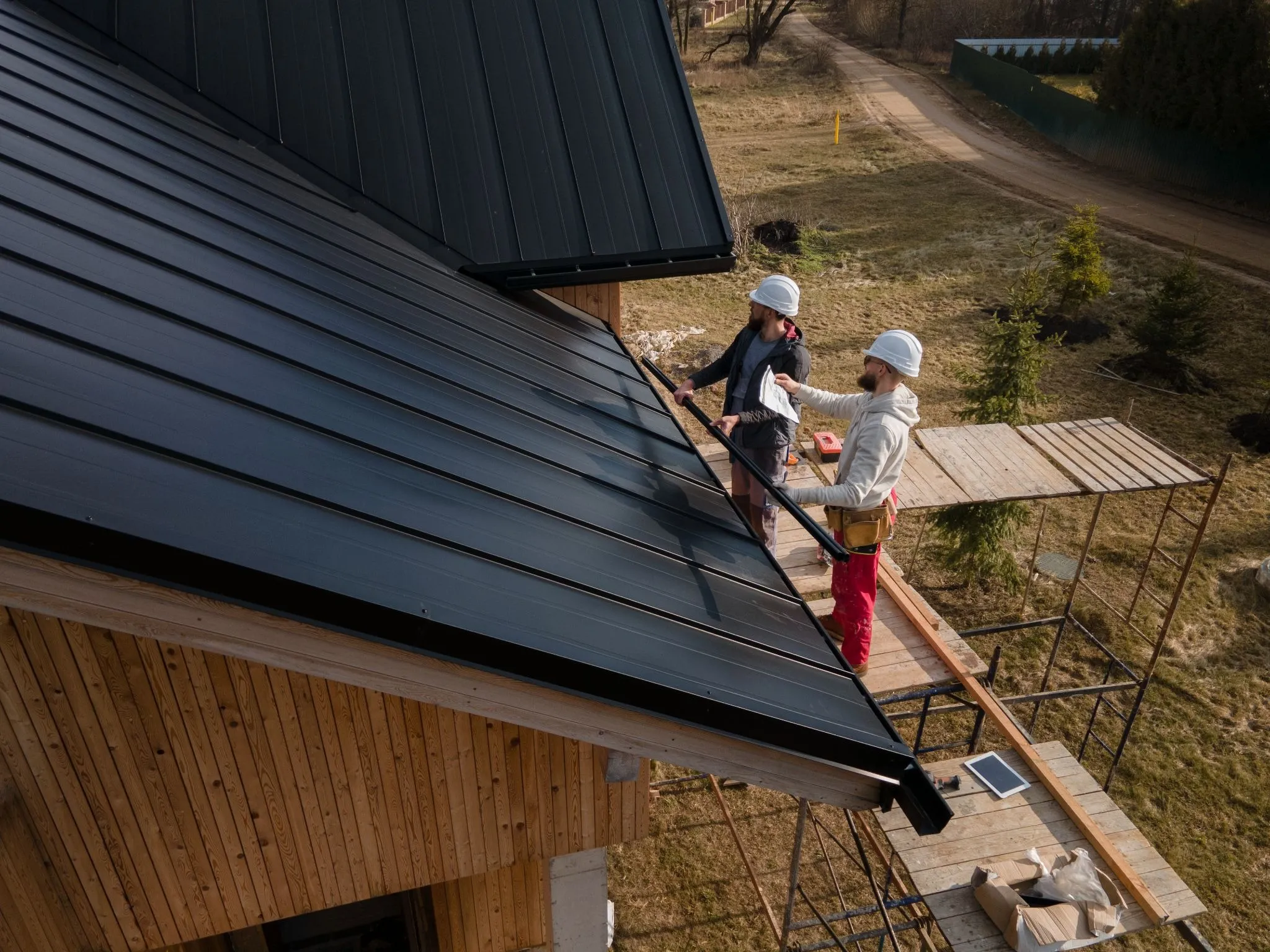
Starting a massive home project like a roof replacement can feel like a total nightmare if you don’t have the right help. Your roof is the primary shield for your house but finding someone trustworthy to fix it usually starts with a quick search for a roofing contractor near me. You need to move past the flashy ads & find a team that actually knows how to handle local weather & building codes.
Key Takeaways
-
Verify that the company holds active liability & workers’ compensation insurance.
-
Local contractors provide better long term support than out-of-town “storm chasers.”
-
Always get a detailed written estimate to prevent hidden fees during the project.
-
Manufacturer certifications often unlock much better material warranties.
-
Comparing multiple quotes ensures you are paying a fair price for your specific area.
Steps to Finding the Perfect Roofer
Once you have a list of names from your initial search, the real work begins as you separate the pros from the amateurs. You should follow a specific path to ensure you aren’t just getting a good price but also a roof that will actually last for decades.
1. Dig Into Local Referrals
Talk to the people who live on your street. If a neighbor had their roof done a few years ago & it still looks perfect after a rough winter, that is a gold mine of information. Ask them if the crew was on time. Did they actually clean up the mess? Local word of mouth is usually more honest than a filtered review on a website. You want to know if the contractor stayed on budget & if they were easy to reach when questions popped up mid-project.
2. Double Check All Insurance Papers
This is a non-negotiable part of the process. You need to see proof of workers’ compensation & general liability insurance with your own eyes. If a worker falls off your roof & the company lacks insurance, you could be held responsible for those medical bills. Ask for the actual certificates. Call the provider to make sure the policy is still active. A legitimate company will never hesitate to provide this paperwork because they know it protects everyone involved.
3. Seek Out Manufacturer Certifications
The companies that make shingles have special programs for top-tier contractors. To get these badges, a roofer must pass extra training & prove they run a solid business. Often, you can only get the best “lifetime” warranties if you hire a contractor with these titles. It shows they are committed to doing things the right way. These certifications act as a secondary vetting process performed by the industry experts themselves.
4. Consult the Better Business Bureau
Social media is great but the BBB is still a solid place to see how a company handles customer complaints. You aren’t just looking for a perfect score. You want to see how the owner responds when a customer has a complaint. A company that stays professional & works to fix a mistake is much better than one that ignores unhappy clients. It tells you a lot about their character when things don’t go perfectly according to plan.
5. Inquire About the Installation Crew
Many homeowners are shocked to learn that the person who sells them the roof rarely installs it. Ask if the company uses their own employees or hires outside subcontractors. If they use outside help, you need to know if those workers have insurance coverage. Knowing who is actually walking on your roof gives you a lot of peace of mind. You should also ask how long the foreman has been with the company to gauge their experience level.
6. Compare Three Detailed Estimates
It is tempting to go with the lowest number you see but that is often a trap. You should get at least three quotes to spot suspiciously low prices. A very cheap quote might mean they are skipping permits or using low-quality underlayment. A detailed estimate should break down the cost of labor, materials and disposal so you can see exactly where your money goes. This transparency prevents a contractor from adding hidden service fees at the very end.
7. Clarify the Labor Warranty
You need to understand the difference between the shingle warranty and the workmanship warranty. The factory might cover the shingles for fifty years but that won’t help if the roofer installed them incorrectly. Ask for a written guarantee on the labor itself. A confident contractor should stand by their work for at least five to ten years. If they only offer a one-year labor warranty, they may not have full confidence in their crew’s long term results.
8. Read Every Line of the Contract
Never let a project start based on a handshake or a vague text message. The contract needs to list the exact brand of shingles and the color. It should also explain what happens if they find rotten wood once the old roof is gone. Having a plan for hidden damage prevents a surprise bill from ruining your budget. Make sure the document also specifies who is responsible for obtaining the necessary local building permits.
9. Verify the Cleanup Plan
A roof replacement creates a massive amount of trash. You want to know exactly how they plan to protect your bushes, flower beds and your driveway. Ask if they use a magnetic rake to find stray nails in the grass. A professional crew will leave your yard looking exactly like it did before they arrived. They should also handle the removal of all old debris so you aren’t left with a dumpster sitting on your lawn for weeks.
10. Test Their Communication Skills
Pay attention to how long it takes them to return your first phone call. If they are hard to reach when trying to win your business, they will be impossible to find later. You want a partner who explains things clearly & keeps you updated on the schedule. Good communication is usually a sign of a well-run business that respects the homeowner’s time & investment.
11. Review the Payment Schedule
Be very careful if a roofer asks for the entire payment before they start the job. A standard practice involves a small deposit to hold the date. You then pay a second portion when materials arrive at your property. The final check happens once the work is done & you are happy with the results. This keeps the contractor motivated to finish the job on time & ensures the quality meets your expectations.
12. Confirm Knowledge of Local Codes
Every town has its own set of rules for roofing layers & ventilation. A local pro will know exactly which permits are required for your specific neighborhood. They also know how to pass a city inspection without any delays. This protects the value of your home and ensures you won’t have legal trouble when it comes time to sell your house. Using a contractor from far away could lead to costly mistakes regarding these specific local laws.
13. Check for a Permanent Business Location
Make sure the company has a physical office nearby rather than just a PO box or a temporary trailer. “Storm chasers” move from state to state after big hailstorms and can disappear overnight. A company with a local office and a permanent staff is much more likely to be there if you have a leak years from now. A physical presence in the community shows they are here for the long haul.
14. Talk Through Your Material Choices
A solid contractor won’t just push one specific shingle & call it a day. They should sit down with you to explain why architectural shingles might be better than the basic three-tab style for your specific house. They can help you weigh the upfront costs against the long-term value, ensuring you pick a style that matches both your budget & your home’s look. This kind of expert advice proves they care about the final result, not just how fast they can finish the job.
15. Check Out the Ventilation Plan
A roof is way more than just the shingles you see from the street; it’s a system that needs to breathe. You should ask your roofer to take a look at the attic vents & explain how they’ll keep the air moving properly. If your roof can’t “exhale” heat in the summer or moisture in the winter, those brand-new shingles will wear out years before they should. A real professional makes sure the whole system works together to keep your home dry & your energy bills low.
Conclusion
Finding a crew you can trust is the only way to make sure your home stays safe for the next few decades. It takes a little more effort to do the digging now but that peace of mind is worth every minute of research. When you start searching for a roofing contractor near me, look for a local team that values honest talk & clear steps above everything else.
FAQs
What does a new roof usually cost these days?
The price tag can change a lot depending on how big your house is & the materials you pick out. A basic shingle roof might run anywhere from a few thousand to over twenty thousand dollars. To avoid surprises, always get a written quote that covers the labor & the mess removal. The steepness of your roof & how many layers need to come off will also change the final number.
Can I stay at home while the work is happening?
You can definitely stay inside but you should prepare for a very loud day. There will be heavy footsteps & constant hammering right over your head from sunrise to sunset. If you have pets or kids who hate loud noises, it’s a great idea to plan a day at the park. Also, remember to take down any fragile photos from your walls, as the vibration can occasionally shake them loose.
What happens if a rainstorm hits during the job?
Pro roofers are basically amateur weather forecasters. They usually only pull off as many shingles as they can replace before the sun goes down. If a surprise cloudburst happens, they have massive, heavy-duty tarps ready to go. They can “dry in” a roof in minutes to make sure no water ever touches your attic or your ceiling.
Do I need a total replacement or just a quick patch?
If your roof is still fairly young & only has one small leak, a repair is usually plenty. But if you see shingles curling at the edges or “bald spots” where the grit has washed away, it’s probably time for a full swap. A quick look from a pro will tell you if the wood underneath is still strong or if the whole system has reached the end of its life.
Is my homeowners insurance going to pay for this?
If a big storm or a falling tree limb caused the damage, there is a high chance your insurance will step in to help. However, if the roof is just old & wearing out because of time, that falls under normal home upkeep & is usually on you. It’s always smart to have your contractor there when the insurance adjuster visits so they can point out any storm damage that might be hidden.