

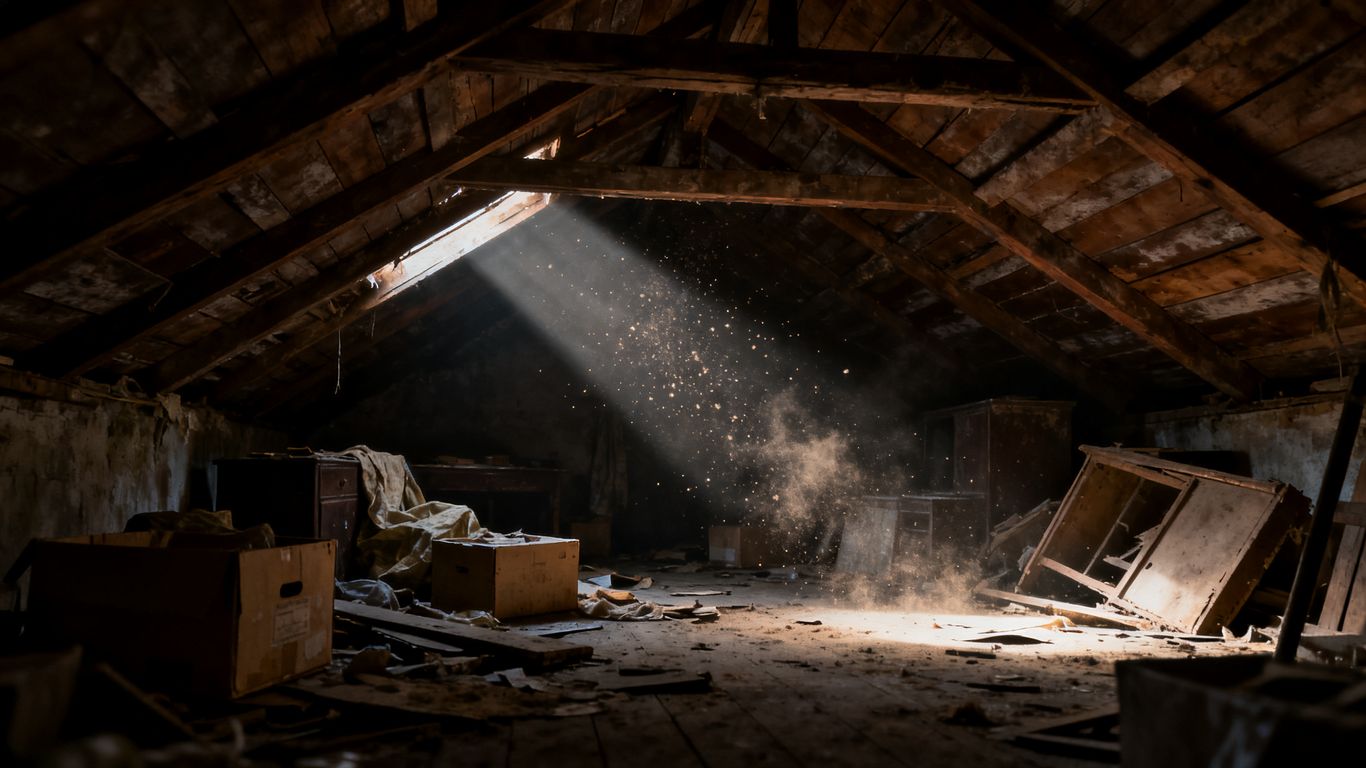
The Pervasive Presence of Asbestos in Pre-1980s Construction
Many people are drawn to older homes for their character and unique architectural details. However, these properties, particularly those built before the 1980s, often contain building materials that pose a significant health risk: asbestos. This mineral was widely used in construction for its insulating and fire-resistant properties. It was incorporated into a vast array of products, from insulation and roofing to flooring and textured paints. The danger arises when these materials are disturbed, releasing microscopic fibers into the air.
Common areas where asbestos might be found include:
-
Pipe insulation around heating systems
-
Vinyl floor tiles and the adhesive used to secure them
-
Textured paints and coatings on ceilings and walls
-
Roofing and siding materials
-
Insulation in attics and around boilers
Because these fibers are invisible to the naked eye, their presence can go unnoticed for years. The widespread use of asbestos means that a significant number of older homes likely contain these materials, making awareness a key first step for any new homeowner. Understanding where asbestos was typically used can help in identifying potential hazards within a property. For more information on its historical use, you can refer to home construction history.
Health Implications of Asbestos Exposure
When asbestos-containing materials are intact and undisturbed, they generally pose little risk. However, activities like renovation, repair, or even natural deterioration can cause these materials to crumble, releasing asbestos fibers into the air. Inhaling these fibers is the primary route of exposure and can lead to serious, long-term health problems. The most well-known conditions linked to asbestos exposure include asbestosis, a scarring of the lungs, and various forms of cancer, most notably mesothelioma, a rare but aggressive cancer of the lining of the lungs and abdomen. The latency period for these diseases can be decades, meaning symptoms may not appear until many years after exposure has occurred. This delayed onset underscores the importance of proactive measures to prevent exposure in the first place. The potential health consequences are severe, making it vital to address any suspected asbestos presence.
Why Awareness is Crucial for New Homeowners
For individuals purchasing a home built before the 1980s, understanding the potential for asbestos is not just a matter of caution; it’s a necessity for safeguarding health and property value. New homeowners may be unaware of the risks associated with older building materials, especially if they are planning renovations. Disturbing asbestos-containing materials during DIY projects or even by uninformed contractors can lead to significant fiber release. This can result in costly remediation, potential health issues for occupants, and a decrease in the property’s marketability. Being aware allows homeowners to take informed steps, such as arranging for professional inspections and abatement if necessary, before undertaking any work that could disturb these hazardous materials. This proactive approach is key to maintaining a safe living environment and protecting long-term health.
Identifying Potential Asbestos Hazards
When you own a home built before the 1980s, it’s wise to consider where asbestos might be hiding. This material was used in so many different building products because it was cheap and effective at resisting heat and fire. Understanding common locations is the first step in recognizing potential risks.
Common Locations for Asbestos in Residential Properties
Asbestos can show up in a surprising number of places within an older house. Think about:
-
Insulation: This includes pipe wrap around heating systems, boiler insulation, and even some types of attic or wall insulation. These materials often look like paper or cloth wrappings.
-
Flooring and Ceilings: Vinyl floor tiles, the backing on linoleum, and adhesives used for flooring can contain asbestos. Many textured ceiling paints, often called “popcorn ceilings,” also incorporated asbestos fibers for texture and bulk.
-
Walls and Exterior: Cement-based products like siding shingles, roofing panels, and even some types of stucco or textured wall coatings might have asbestos. It was also used in some joint compounds and plasters.
-
Other Areas: Don’t forget about areas like old appliance gaskets, some types of fireproof paper, and even older forms of caulking or sealants. Homes constructed before the 1980s may contain asbestos in materials like cement, floor tiles, insulation, walls, and pipes, potentially exposing residents. Homes constructed before the 1980s.
Recognizing Visual and Environmental Clues
While you can’t see asbestos fibers with the naked eye, certain visual cues can suggest their presence. Look for materials that appear chalky, are crumbling, or seem to be flaking. For instance, pipe insulation that looks brittle or dusty, or ceiling textures that easily break apart when touched, are red flags. A fine, persistent white dust that’s hard to clean up after minor disturbances, like drilling a small hole, can also be an indicator. Poor indoor air quality or unexplained respiratory irritation, especially after disturbing a surface, might point to a problem. However, visual identification alone cannot definitively confirm the presence of asbestos in a home. If asbestos is suspected, it is crucial to hire a professional for proper identification and testing.
The Importance of Professional Inspection and Testing
Because visual inspection has its limits, the most reliable way to know if asbestos is present is through professional testing. A qualified inspector can take samples of suspect materials and send them to a lab for analysis. This is especially important before any renovation or demolition work begins, as disturbing these materials can release dangerous fibers into the air. A professional assessment provides clear answers and guides safe next steps, whether that involves leaving the material alone if it’s in good condition or planning for safe removal.
Asbestos Risks During Home Renovations
How Renovation Activities Disturb Asbestos Materials
When you own a home built before the 1980s, undertaking renovations can bring hidden dangers to light, quite literally. Asbestos was a popular building material for decades due to its strength and resistance to heat and chemicals. It was incorporated into a wide array of products, from insulation and ceiling tiles to flooring and siding. The real trouble starts when these materials are disturbed. Activities like cutting, sanding, drilling, or even demolition can release microscopic asbestos fibers into the air. Once airborne, these fibers are easily inhaled, posing serious health risks. Even seemingly minor tasks, like removing old flooring or patching a wall, can stir up these dangerous particles if asbestos is present. This is why understanding where asbestos might be hiding is so important before any work begins.
The Danger of DIY Projects and Uninformed Contractors
Many homeowners consider tackling renovation projects themselves to save money or simply for the satisfaction of a job well done. However, without proper knowledge and protective gear, DIY renovations in older homes can be incredibly hazardous. You might unknowingly disturb asbestos-containing materials, leading to significant exposure for yourself, your family, and even neighbors. Similarly, hiring contractors who are not aware of or do not properly handle asbestos can lead to similar dangers. It is vital to ensure that anyone working on your property understands the potential presence of asbestos and follows strict safety protocols. A lack of awareness can turn a dream renovation into a health nightmare, with long-term consequences.
Ensuring Safe Renovation Practices
To protect yourself and your home during renovations, a proactive approach is key. Here are some steps to consider:
-
Conduct a professional asbestos inspection: Before any demolition or renovation work begins, hire a certified asbestos inspector. They can identify the presence of asbestos-containing materials (ACMs) and advise on the best course of action. This is a critical first step to understanding the risks involved.
-
Develop a clear renovation plan: Work with your contractor to create a detailed plan that addresses any identified asbestos. This plan should outline containment procedures, safe removal methods, and proper disposal of asbestos waste, aligning with regulations from bodies like the EPA.
-
Prioritize professional abatement: For any confirmed asbestos materials, professional abatement and removal services are strongly recommended. These specialists have the training, equipment, and knowledge to safely remove asbestos, minimizing fiber release and ensuring proper disposal. This is not a task for amateurs, as improper handling can lead to widespread contamination and severe health issues. Investing in professional asbestos abatement is an investment in your family’s health and the safety of your home.
Navigating Asbestos Regulations and Compliance
When you own a home built before 1980, you’re stepping into a world where asbestos was a common building material. While it was valued for its fire resistance and durability, its presence now comes with a set of rules and guidelines. Understanding these regulations is key to keeping your home safe and avoiding legal trouble. It’s not just about knowing asbestos is there; it’s about knowing what to do about it according to the law.
Understanding Federal and Local Asbestos Guidelines
Federal regulations, like those from the Environmental Protection Agency (EPA), set a baseline for asbestos management. However, many states and even local municipalities have their own, often stricter, rules. These can dictate how asbestos materials must be handled, especially during renovations or demolition. For instance, some areas require specific notification procedures before disturbing potential asbestos-containing materials (ACM). It’s vital to research the specific requirements in your area, as non-compliance can lead to significant fines. You can often find detailed information on state environmental agency websites or through local building departments. For those in New York, understanding New York property owners must understand asbestos testing regulations is a good starting point for grasping state-specific requirements.
The Role of Regulatory Bodies in Home Safety
Regulatory bodies, such as the EPA in the United States, play a significant role in setting standards for asbestos safety. Their guidelines aim to protect public health by controlling the use and disturbance of asbestos. While there isn’t a federal mandate requiring the removal of asbestos if it’s in good condition and undisturbed, regulations kick in when activities like renovation or demolition are planned. These agencies provide resources and advisories, but the onus is on the homeowner to be aware and compliant. The decrease in asbestos use after 1980 means older homes are the primary focus for these regulations.
Legal and Financial Repercussions of Non-Compliance
Ignoring asbestos regulations can have serious consequences. If asbestos is disturbed improperly during renovations, leading to exposure, homeowners could face legal action. Furthermore, if you plan to sell your home, failing to disclose known asbestos issues can lead to lawsuits from the buyer. Financial penalties from regulatory agencies for non-compliance can also be substantial. Beyond fines, the cost of remediation after an incident is often far greater than proactive measures. It’s also worth noting that some homeowner associations may have their own rules regarding asbestos, impacting property resale.
Mitigating Asbestos Risks for Long-Term Safety
Once asbestos has been identified in a property, taking steps to manage it is paramount for the health of occupants and the integrity of the home. This involves a combination of professional intervention and diligent homeowner practices.
Professional Asbestos Abatement and Removal Services
For materials that are damaged, friable, or likely to be disturbed, professional abatement is the most secure course of action. Certified asbestos abatement professionals have the training and equipment to safely contain and remove asbestos-containing materials (ACMs). This process typically includes:
-
Containment: Creating a sealed work area to prevent fibers from spreading.
-
Removal: Carefully detaching and packaging ACMs.
-
Cleanup: Thoroughly cleaning the area using specialized equipment.
-
Disposal: Transporting materials to an approved landfill designed for asbestos waste.
It is vital to retain all documentation from abatement projects, including disposal manifests. These records serve as proof of work performed and can be important for future property transactions or renovations. For homeowners unsure about the extent of asbestos in their property, engaging professionals for an initial survey is the first step toward a safe remediation plan. You can find resources on asbestos abatement to understand the process better.
Strategies for Preventing Future Asbestos Exposure
Even after professional removal, ongoing vigilance is necessary. Homeowners should adopt practices that minimize the potential for disturbing any remaining ACMs or introducing new hazards. This includes:
-
Education: Informing all household members and any service providers (like plumbers or electricians) about the presence and location of any remaining asbestos materials.
-
Controlled Maintenance: Performing regular visual inspections of suspect materials for signs of wear or damage. If minor repairs are needed on non-friable materials, use wet methods to minimize dust.
-
Air Filtration: Consider using high-efficiency particulate air (HEPA) filters in your home’s HVAC system or portable air purifiers to capture any airborne fibers.
When undertaking any home improvement, always consult your asbestos management plan. If you need to clean an area that might have asbestos, using a wet mop is a simple yet effective way to prevent the spread of asbestos fibers.
Maintaining a Safe and Healthy Living Environment
Long-term safety involves integrating asbestos awareness into the home’s overall maintenance routine. This means:
-
Regular Inspections: Periodically checking materials, especially those in areas prone to moisture or physical stress, for any signs of deterioration.
-
Documentation: Keeping all records related to asbestos testing and abatement in a secure place.
-
Communication: Ensuring that anyone working in the home is aware of potential asbestos hazards and follows appropriate safety protocols.
By following these guidelines, homeowners can significantly reduce the risks associated with asbestos, creating a secure and healthy living space for years to come.
Protecting Property Value and Peace of Mind
The Impact of Asbestos on Real Estate Transactions
When it comes to selling a home, especially one built before the 1980s, the presence of asbestos can cast a shadow. Buyers are increasingly aware of the potential risks and the costs associated with asbestos. Transparency about asbestos is not just good practice; it’s becoming a standard expectation in real estate transactions. Sellers who proactively address asbestos concerns often find their properties more attractive and may avoid last-minute deal complications. In many areas, proof of professional asbestos abatement is now a requirement for resale, and buyers or their lenders may ask for asbestos survey reports. This reflects a growing understanding that managing asbestos safeguards both occupant health and the long-term value of the asset.
Investing in Asbestos Surveys for Property Assurance
Getting a professional asbestos survey before listing your home, or even before you buy, can provide significant peace of mind. These surveys go beyond a simple visual check. Inspectors meticulously examine various parts of the house, from the foundation to the attic and utility areas. They look for suspect materials that might contain asbestos, often hidden behind walls or around pipes. A thorough inspection helps identify potential issues early, allowing for informed decisions. Investing in asbestos testing can prevent unexpected problems down the line and assure potential buyers that the property has been carefully assessed.
Creating a Secure Home for Generations
Ultimately, dealing with asbestos is about more than just property value; it’s about creating a safe and healthy environment for everyone who lives there. This involves several key steps:
-
Understanding the risks: Knowing where asbestos might be located in older homes is the first step.
-
Professional assessment: Relying on qualified professionals for inspection and testing is vital for accurate results. Investing in a reputable lab for asbestos testing provides accurate results and peace of mind.
-
Safe management: If asbestos is found, follow professional advice for containment or removal. This might involve encapsulation or complete abatement, depending on the material’s condition.
-
Ongoing vigilance: Even after abatement, maintaining awareness and following safe practices during any future renovations or repairs is important.
By taking these measures, homeowners can protect their investment, ensure compliance with regulations, and most importantly, create a secure living space for themselves and future generations.
